


Fourth-generation logistics leadership
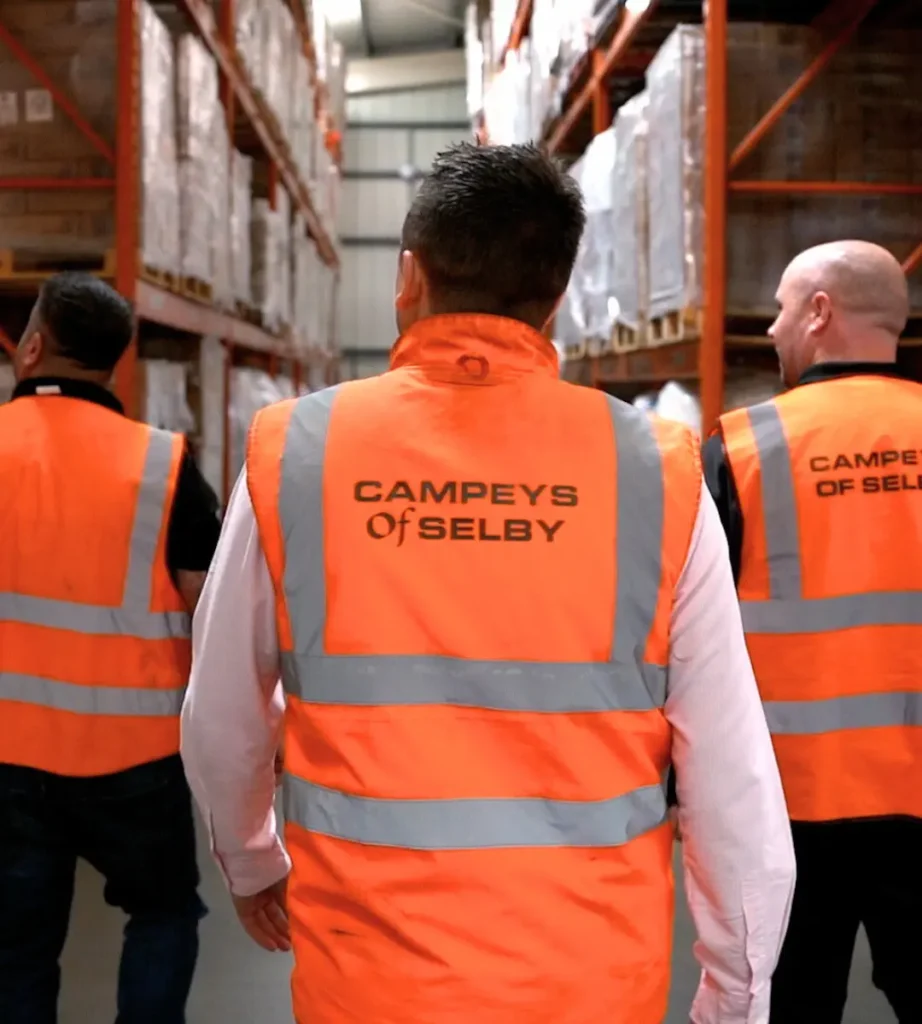
Campeys of Selby, a fourth-generation family-run logistics company, operates across the UK and Ireland with over 130 vehicles and 250 trailers. From humble beginnings in 2007 with just two vehicles, the company has grown exponentially, now running five depots and serving a wide array of transport and distribution needs.
At its core, Campeys is driven by heritage and values. Transport isn’t just a business it’s in the bloodline.
“Transport runs through our veins. Both my great grandfathers had haulage companies… it was always going to be what we did”.
– Harry Campey, Commercial & Operations Director
This deeply embedded ethos is what sets Campeys apart. The company champions a “never say no” culture. Each customer gets personal access to decision-makers—mobile numbers, not ticket systems. “We pride ourselves on our family business ethos… We always say yes and then figure out how to deliver it,” Harry explains.
But with rapid growth and increasingly complex operations came a need for scalable warehouse infrastructure. Their Wakefield depot a 2,500-pallet facility launched in 2023 was designed to be a pivotal hub. Yet without a Warehouse Management System (WMS), they risked bottlenecks, data loss, and operational chaos.
Campeys had a clear mission: to build a BRC-accredited warehouse offering seamless, modern logistics with real-time visibility, without compromising their agile, client-first values.
They needed a guide to match that ambition.
Overcoming WMS Challenges
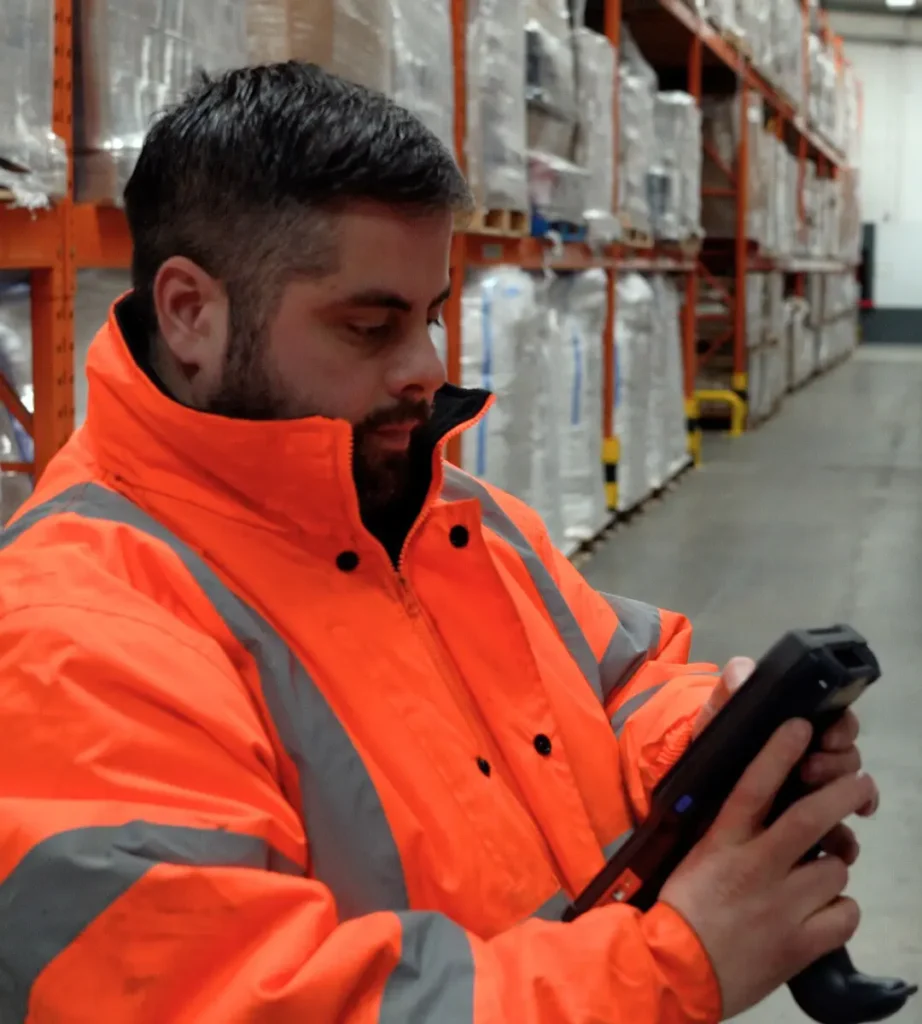
Before adopting Clarus WMS, Campeys faced the classic hurdles of scaling without digital backbone. Daily operations were reactive and time-consuming. From booking slots via email to managing customer stock with spreadsheets, the team was operating under pressure.
Dale, Depot Manager at Wakefield, shared that every day could “completely change at a moment’s notice,” driven by last-minute customer demands or delivery complications. The lack of system integration left staff reliant on manual processes and limited traceability.
Past experience with other WMS platforms had also created frustration. Dale recalled:
“Some systems were overly complex… you had to go to other departments just to fix basic mistakes. Others had no rollback functionality. Once finalised, you were stuck.”
Not only did this hinder productivity, but it impacted confidence in warehouse data, leading to errors in stock takes, delayed orders, and excess labour to track down lost items.
Campeys’ ambition to earn BRC accreditation and expand into food-grade storage brought even greater pressure. Without a robust WMS, traceability for allergen segregation, FIFO enforcement, and temperature-sensitive goods would be nearly impossible to maintain at scale.
It was time for a transformative leap.
Guiding Campeys to WMS Transformation
Campeys turned to Clarus WMS, drawn by its cloud-based infrastructure, licensing flexibility, and a service-led partnership model. Unlike vendors who imposed upgrade fees or license restrictions, Clarus offered an open, collaborative relationship.
“It wasn’t just about getting a licence we saw it as a two-way partnership. They didn’t cut us off after a year. Anything we needed, we discussed, and they made it happen,”
– Dale, Depot Manager
Another critical factor: Clarus’ responsiveness. The implementation team provided direct access from C-level to support staff. No barriers. No bouncing between departments.
“They understand how we work. They come back with solutions and training proactively—email, phone, live chat—it’s all there,” Dale added.
For Harry, the cloud infrastructure was pivotal. Based in Selby, he needed visibility into Wakefield’s performance in real time without endless site visits.
“Clarus is fully cloud-based. I can log in from anywhere, check KPIs, see what’s happening it’s simple, no faffing with servers or slow downloads”
– Harry Campey, Commercial & Operations Director
Campeys knew they weren’t just buying a tool they were onboarding a partner to scale their logistics transformation.
Implementing the Solution
Speed was essential. Campeys acquired the Wakefield site in early January 2023, with container loads expected within weeks. Claris delivered.
“We reached out in early December, and by the end of January we were fully operational… Setup only took one day we were live with locations mapped and pallets moving.”
– Harry Campey, Commercial & Operations Director
Although they were offered six days of implementation support, Campeys only needed one for setup. The remaining days were repurposed for staff training and system enhancements as needs evolved.
Key modules deployed included:
- 3D warehouse mapping: Allowed remote visual oversight of space usage, critical for off-site managers.
- Client billing integration: Seamless export from Clarus to Sage 50, with zero client billing disputes post-deployment.
- Allergen and chemical segregation: Enabled accurate FIFO and risk management for sensitive goods.
- Customer portal: Clients could book in directly or receive managed bookings with real-time updates.
“Everything’s right in front of you. You make a mistake, you can fix it. That wasn’t possible with other systems.”
– Dale, Depot Manager
Results Achieved
Clarus WMS helped Campeys hit the ground running—and then scale.
- ROI achieved in under 2 months from deployment
- Operational setup in 1 day, reducing typical onboarding time by 83%
- Zero customer billing errors post-implementation
- Full BRC audit pass on first attempt, with auditor noting traceability as “exceptional for a first-time audit”
“With Clarus, we can segregate stock, assign allergens, and trace product movements with complete confidence.”
– Dale, Depot Manager
“The cloud access is game-changing. I can monitor performance from anywhere no need to be on-site daily.”
– Harry Campey, Commercial & Operations Director
Unexpected benefits included improved morale and autonomy at the depot level. With data centralised and real-time, decision-making became faster and more informed.
And when Clarus introduced a new dock scheduling feature, Dale saw immediate value: “It gives us more visibility and lets us plan inbound loads better right down to trailer numbers and timings.”
Client Reflections and Lessons Learned
For Campeys, Clarus didn’t just provide technology it delivered trust and alignment. Their ethos of agile, people-first logistics was reflected in how Clarus operated as a partner.
“Clarus wants the best for you and your customer. They value your feedback, respond quickly, and improve the system constantly,” Dale noted.
That confidence extended into future planning. Campeys have already deployed Clarus to their Selby site and plan to expand into an 80,000 sq ft custom facility with potential to scale to 750,000 sq ft built around Clarus from day one.
Culture-wise, the team feels more empowered. With fewer manual touchpoints and system workarounds, staff spend more time solving customer problems not tech issues.
Your Path to WMS Success
Campeys of Selby’s WMS journey is a testament to what’s possible when family values meet cutting-edge logistics systems. In less than two months, they achieved ROI, earned BRC certification, and laid the groundwork for scalable expansion.
If your operation is facing similar challenges (manual bottlenecks, legacy systems, compliance pressure) Clarus WMS can help you take control.
Discover how Clarus WMS can help your operation achieve similar results.